

Field Log
How We Became 100% Tariff-Free: And What It Means for Your Business
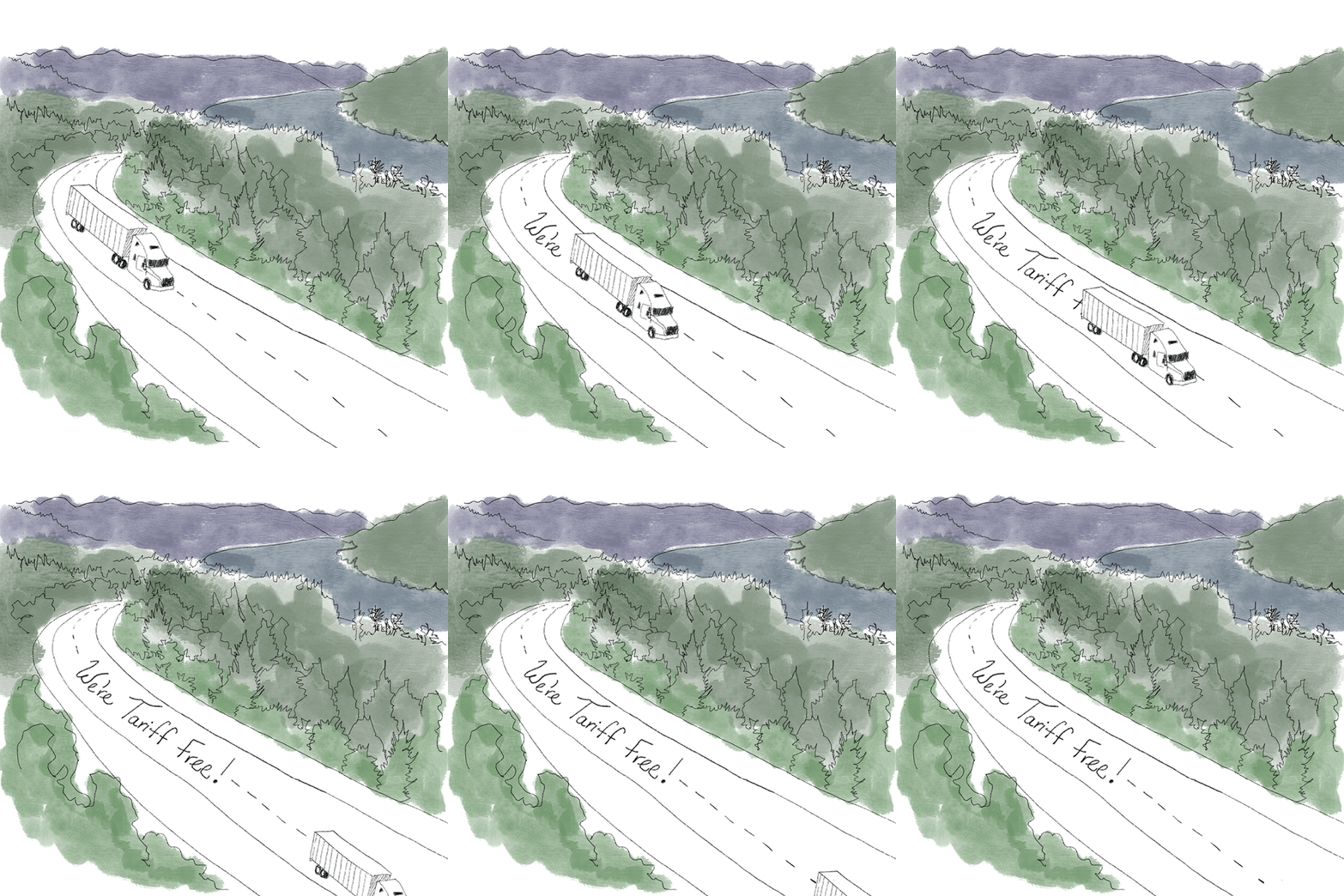
If you’ve been following the news, you already know the landscape. Shifting trade policies, rising import costs, and a whole lot of noise about what it all means for businesses like yours. And while it’s easy to get swept up in the headlines, we’ve always believed something a little different: that if you’re willing to think beyond the noise, the narrative, and the so-called “rules,” you’ll find your way through.
That belief is exactly what led us to make a bold, unconventional move several years ago that ultimately positioned us (and our clients) for a significant competitive advantage. Today, we’re proud to operate as a domestic and international manufacturing company that is 100% tariff-free right now. And even when tariffs have applied, our deep understanding of trade law has kept our effective tariff rate under 5%.
What Does Being Tariff-Free Actually Mean?
At their core, tariffs are taxes imposed on imported goods when they cross international borders. They’re set by governments, often used as trade policy tools, and they can change with little warning. The problem? Those costs don’t disappear. Instead, they ripple through the entire supply chain.
Here’s how that ripple effect typically plays out:
- A tariff is applied to goods entering the country from a foreign manufacturer.
- The manufacturer absorbs it — or passes it on to the brand.
- The brand either absorbs it — or passes it on to retailers and customers.
- Everyone downstream ends up paying more.
Being tariff-free means that none of those additional costs apply to our manufacturing operations. But we also know that tariff landscapes can shift in the blink of an eye. That’s why our real competitive edge isn’t just our current tariff-free status, it’s our ability to navigate trade law with precision. Even during periods when tariffs were in place, our intimate understanding of the regulations kept our effective tariff rate below 5%. We don’t just react to the rules. We know them.
How We Got Here: The Mexico Manufacturing Decision
When the pandemic hit, it exposed just how fragile global supply chains really were. Factories shut down overseas. Shipping timelines stretched from weeks to months. Costs skyrocketed. And businesses across every industry were left scrambling to figure out how to keep their operations moving.
For us, that disruption became an inflection point. Rather than wait for overseas operations to stabilize, we made what felt like a wildly unconventional move at the time: we shifted our entire international manufacturing operation to Mexico.
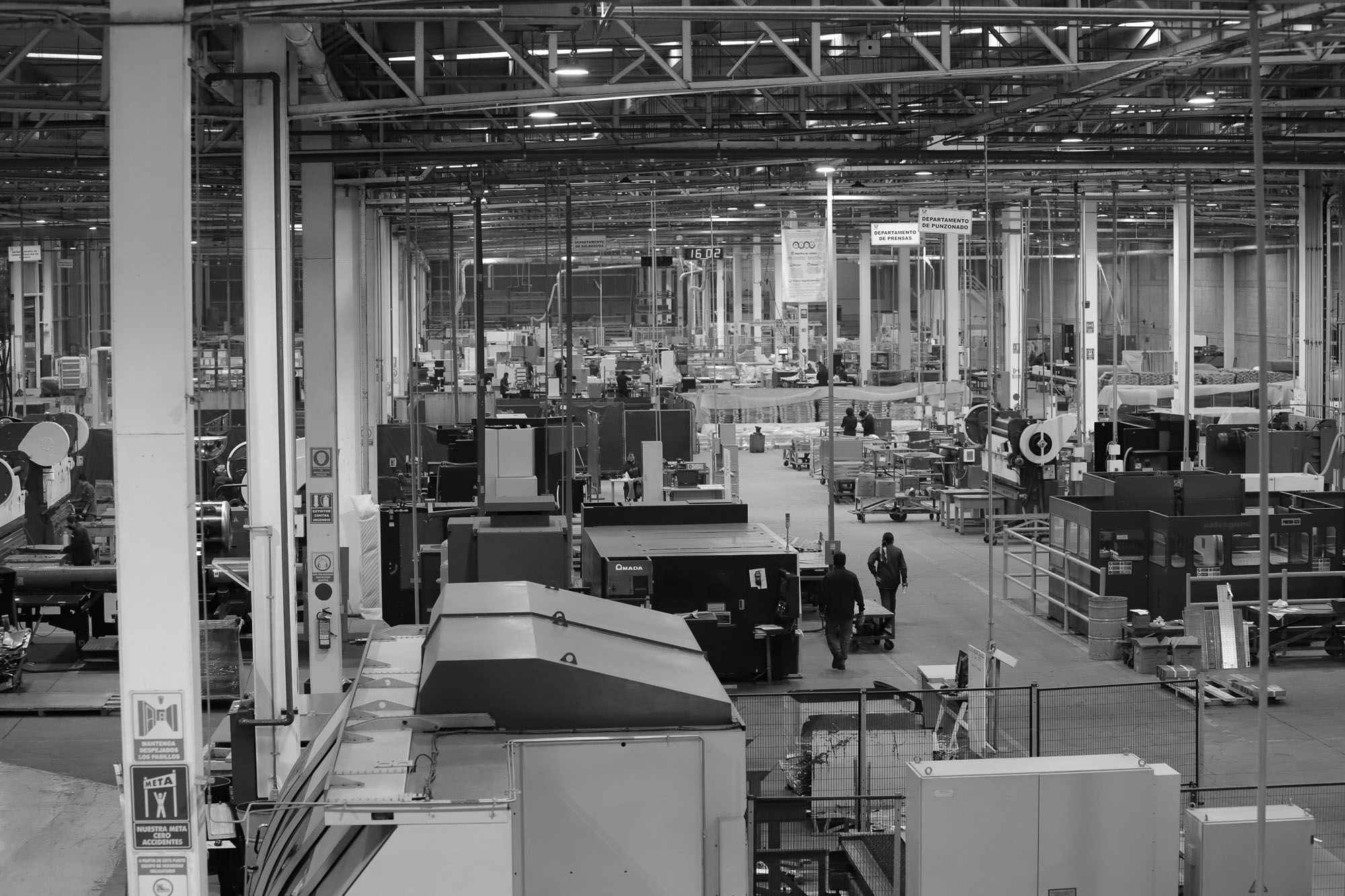
It wasn’t the obvious choice. And honestly? It raised more than a few eyebrows. The truth is, building a high-quality, consistent manufacturing operation in Mexico is genuinely hard. It takes time, patience, and a willingness to invest in people and process in ways that don’t show up on a spreadsheet right away.
That’s exactly what we did. Over six years, we’ve poured ourselves into training, testing, learning, and building — developing our own systems for engineering quality, instilling a culture of consistency, and growing a team that doesn’t settle for “good enough.” The result is an operation that delivers real quality, real reliability, and real cost-efficiency, time after time.
Why Mexico?
The economics of nearshore manufacturing are compelling:
- Proximity to the U.S. — Dramatically shorter shipping timelines and lower logistics costs compared to overseas operations in Asia.
- USMCA trade agreement protections — The United States-Mexico-Canada Agreement provides favorable trade terms for goods manufactured in Mexico, which is the backbone of our tariff-free status.
- Reduced risk — Operating in closer geographic proximity to our domestic operations gives us greater visibility, control, and flexibility.
But proximity and trade agreements only go so far. The real differentiator is the operation behind them — one we’ve spent six years earning the right to be proud of.
What This Means for Your Business
By operating the way we do — nearshored, tariff-free today, and trade-law-savvy always — we’re able to offer our clients real, tangible advantages:
- More stable, predictable pricing — No tariff volatility means no surprise cost increases hitting your margins mid-season.
- Stronger margins for your business — When your cost of goods stays controlled, your profitability follows.
- Faster turnaround times — Nearshore production means goods move quicker from manufacturing to your door.
- Competitive pricing for your customers — When your costs are lower, you have more room to offer value downstream, which builds loyalty and trust with your end consumers.
Supply chain advantages compound. And when your manufacturing partner has spent six years building something truly worth standing behind, that benefit flows all the way to the end consumer.